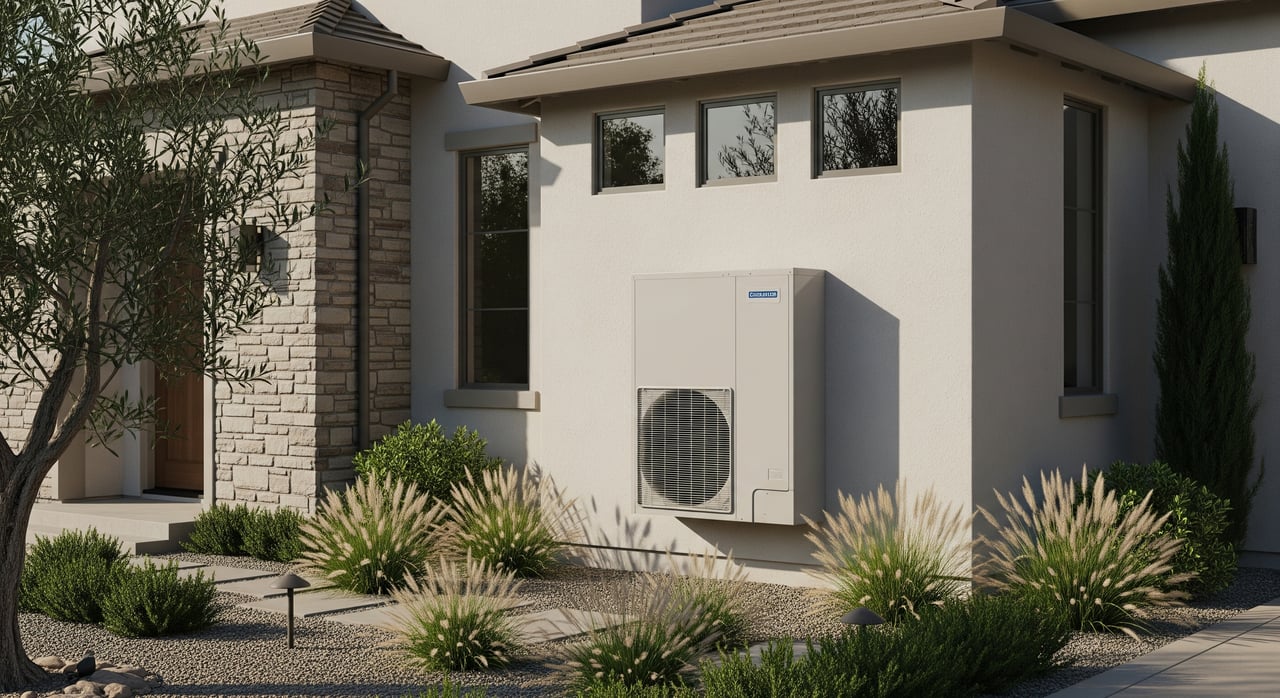
Is your AC struggling by late afternoon when Modesto hits the high 90s? You are not alone. Many older Central Valley homes rely on aging systems that run hard, cost a lot, and still leave you sticky. The good news is that today’s heat pumps can cool your home efficiently through long, hot summers while also handling winter heating. In this guide, you will learn which upgrades make the biggest difference in Modesto, how to size and plan a project that actually performs, what it may cost, and where to find incentives. Let’s dive in.
Why heat pumps fit Modesto
Modern air‑source and ductless heat pumps are built to deliver strong cooling in hot, dry climates like Modesto. They combine cooling and heating in one system, which keeps things simple and often lowers total HVAC energy use compared to older equipment. If you are comparing options, focus on cooling performance and efficiency first.
Cooling power and efficiency
Cooling efficiency is measured by SEER or the newer SEER2 test metric. Higher SEER means the system uses less electricity to deliver the same cooling. In hot climates, that translates to bigger utility savings across the season. The U.S. Department of Energy offers a helpful overview of heat pump systems and efficiency, and ENERGY STAR explains heat pump benefits and product guidance.
Variable speed comfort
Many newer heat pumps use variable‑speed inverter compressors and multi‑stage fans. Instead of blasting on and off, they run at lower speeds for longer periods. That steady output reduces temperature swings and can improve humidity control compared to oversized, single‑stage units. In Modesto’s long, hot afternoons, that can be the difference between constant fiddling and steady, even comfort.
Built for heat waves
A correctly sized and installed heat pump can keep up during Modesto’s frequent 90s and occasional 100‑plus degree days. Your indoor setpoint, the system’s peak capacity, and your home’s insulation and shading all play a role. The right design choices help your system stay comfortable when temperatures spike.
Sizing and home factors that matter
Think of your HVAC like a team. The equipment is only one player. Sizing, ductwork, insulation, and controls must work together to deliver comfort in Modesto’s heat.
Right size with Manual J
Ask your contractor for a Manual J load calculation. This is the standard method for sizing cooling systems. It accounts for your home’s orientation, windows, insulation, local climate, and more. Oversizing can cause short cycling, poor dehumidification, and higher upfront cost. Undersizing can leave you unable to reach your setpoint on the hottest days. Modern inverter heat pumps handle a modest margin better than older single‑speed systems, but a proper Manual J is still essential.
Ducts can waste 20 to 40 percent
If your ducts run through a hot attic or garage and they leak, you can lose a lot of cooled air before it reaches your rooms. The U.S. Department of Energy notes ducts in unconditioned spaces can waste 20 to 40 percent of conditioned air in typical homes. Read more about ducts and airflow from DOE. A duct leakage test and a quick visual inspection will show where to focus. Seal with mastic or UL‑181 tape, insulate ducts in unconditioned areas, and aim for tightness that many contractors target in the 10 to 15 percent leakage range for retrofits.
Insulation, air sealing, and windows
A tighter, better‑insulated home needs less cooling. That can let you choose a smaller, less expensive system and reduce your bills. High‑impact steps for Central Valley homes include adding attic insulation, sealing air leaks at the attic floor and around penetrations, and reducing solar gain with shading or reflective roof coatings. Attics in this region often benefit from R‑30 to R‑60 levels. Confirm specifics with local code or an energy rater using guidance from the California Energy Commission’s Building Energy Efficiency Standards.
Smarter controls and ventilation
Pair your heat pump with a programmable or smart thermostat and set it for steady, efficient operation. Avoid big temperature setbacks that can raise indoor humidity. If you tighten your home, plan for appropriate mechanical ventilation so you maintain indoor air quality. Zoning with dampers or multiple indoor units can also help you dial in comfort room by room.
Best upgrade paths for Modesto homes
Different homes call for different solutions. Here are practical options that work well in Modesto.
Replace aging central AC with a ducted heat pump
This is a common retrofit if your ducts are in fair shape. Start with a Manual J load calculation and a duct leakage test. Choose a variable‑speed, high‑SEER system and be sure the indoor coil and blower are correctly matched. Include a smart thermostat and insist on commissioning to confirm airflow and refrigerant charge. Pros include whole‑home comfort with minimal disruption. If your ducts are very leaky, fix them first so the upgrade delivers the performance you expect.
Add ductless mini‑splits for zoned cooling
If your home has no ducts, poor ducts, or you want room‑by‑room control, mini‑splits shine. They are efficient, flexible, and avoid duct losses. Plan your zones, locate outdoor units for noise and sightlines, and route linesets and condensate carefully. Mini‑splits can serve additions, primary bedrooms, or whole homes with multiple heads. The tradeoff is higher per‑room cost for full coverage and the look of indoor heads.
Combine ducted and ductless for tough areas
Hybrid configurations use a central ducted heat pump for most rooms and one or two mini‑splits for high‑load spaces like a sunroom or addition. This can be a cost‑effective way to boost comfort without rebuilding the entire duct system.
Consider geothermal only in special cases
Ground‑source heat pumps can be very efficient, but they come with higher upfront costs and site requirements. They are less common for typical Modesto retrofits.
Do‑first measures and commissioning
Some upgrades deliver fast payback and protect your HVAC investment. Seal and insulate ducts in unconditioned spaces, top up attic insulation, add shading, and seal obvious air leaks. After installation, commissioning is critical. Your contractor should verify airflow, refrigerant charge, and thermostat programming. ENERGY STAR provides product and installation guidance that you can use as a checklist during bids.
Costs, incentives, and timelines
Budget and timing vary by home. Here is what to expect in the Central Valley context.
Typical price ranges
- Ducted whole‑home heat pump replacement: about $7,000 to $20,000 depending on size, equipment tier, and duct work.
- Mini‑split systems: about $2,500 to $8,000 per zone depending on configuration and equipment.
- Duct sealing and basic repairs: a few hundred to a few thousand dollars.
- Attic insulation upgrade: roughly $1,000 to $5,000 depending on area and current levels.
- Geothermal: much higher upfront and site dependent.
Local labor rates and project complexity in Modesto will affect bids. Get multiple written quotes and ask each contractor to include the Manual J, duct test results, and commissioning details.
Rebates, tax credits, and financing
Federal and state programs change often. You can check current incentives and requirements in one place using the Database of State Incentives for Renewables & Efficiency. Also review current federal tax credits for high‑efficiency heat pumps and any California or local utility rebates. Rebates may need pre‑approval and qualified installers, so verify details before you start.
Typical project timeline
- Assessment and load calculation: 1 to 2 weeks.
- Permits and equipment ordering: 2 to 6 weeks.
- Installation: 1 to 3 days for a simple swap, longer if you add duct work or insulation.
- Rebate documentation: allow extra time if a program requires inspections or paperwork.
Performance and maintenance
Modern heat pumps often lower cooling energy use versus older systems, and they can reduce total HVAC energy depending on your electricity rates. Plan for a 15 to 20 year equipment life with proper maintenance. Change filters regularly and schedule annual inspections that include coil cleaning plus airflow and refrigerant checks. ENERGY STAR and DOE offer helpful owner tips within their heat pump resources and DOE Energy Saver guides.
Quick homeowner checklist
- Request a Manual J load calculation for cooling and heating.
- Get a duct leakage test and a written plan for sealing and insulation.
- Ask how the contractor chose the equipment size and SEER rating, and confirm it is variable speed.
- Require commissioning: airflow, refrigerant charge, and thermostat setup.
- Review warranties for compressor, coil, and labor, and confirm maintenance needs.
- Collect multiple quotes and references for similar Central Valley installs.
- Confirm permit requirements and any rebate paperwork before work begins.
Next steps for Modesto buyers and sellers
If you are buying an older home, add HVAC age, duct condition, and attic insulation to your due diligence list. A smart plan can turn a warm house into a comfortable, efficient one. If you already own, consider tackling ducts and attic insulation now, then right‑size a variable‑speed heat pump. That sequence often delivers the best cooling at the lowest long‑term cost.
Ready to map out an upgrade that fits your home and budget? Reach out to Unknown Company for local guidance and a clear next‑step plan.
FAQs
Will a heat pump cool during Modesto heat waves?
- Yes. A modern, properly sized heat pump is designed to handle extended high temperatures. Comfort on the hottest days also depends on setpoint, shading, and your home’s insulation.
Do variable‑speed systems control humidity better?
- Often yes. By running longer at lower speeds, variable‑speed equipment usually manages humidity more effectively than oversized, single‑stage units.
Can I keep my existing ducts?
- Many homes can. Have a contractor test for leakage, then seal and insulate ducts in unconditioned spaces. If ducts are in poor condition or missing, mini‑splits are a strong alternative.
How much does a heat pump cost in Modesto?
- A typical ducted replacement runs about $7,000 to $20,000. Mini‑splits run about $2,500 to $8,000 per zone. Duct and attic upgrades add to cost but often improve results.
What incentives can help with cost?
- Check current federal credits, California programs, and local utility rebates using the DSIRE incentives database. Requirements change, so verify before you buy.
How do I find a qualified installer?
- Ask for NATE‑certified technicians, heat pump retrofit experience, and Central Valley references. Request a Manual J load calculation, duct test, and commissioning in writing before you sign.